
If you want to apply for UK jobs from abroad, most of the work happens before you send anything. You need to know which route could let you work in the UK, which employers are allowed to sponsor you, and what a UK CV looks like. This guide puts those checks in order, so each application you send afterwards is a short one.
It is general information, not immigration advice. Visa rules change, so every visa fact below points to GOV.UK, and you should check the live page before you act on it.
Key takeaways
- Work out your route first with GOV.UK's "Check if you need a UK visa" tool. Do not rely on forums or third-party sites for the rules.
- For the Skilled Worker route, GOV.UK says you need a confirmed job offer from a Home Office-approved employer before you apply for the visa.
- The official register of licensed sponsors tells you whether an employer can sponsor workers at all, before you spend an evening on an application.
- A UK CV leaves out your date of birth, marital status and nationality, and is tailored to each role.
- Answer work-authorisation questions plainly and accurately. "I would need sponsorship" is a normal answer.
The order of work when you apply for UK jobs from abroad
Applying from another country has one extra layer that a local search does not: your right to work. Doing the checks in this order keeps you from polishing a CV for a job that cannot hire you.
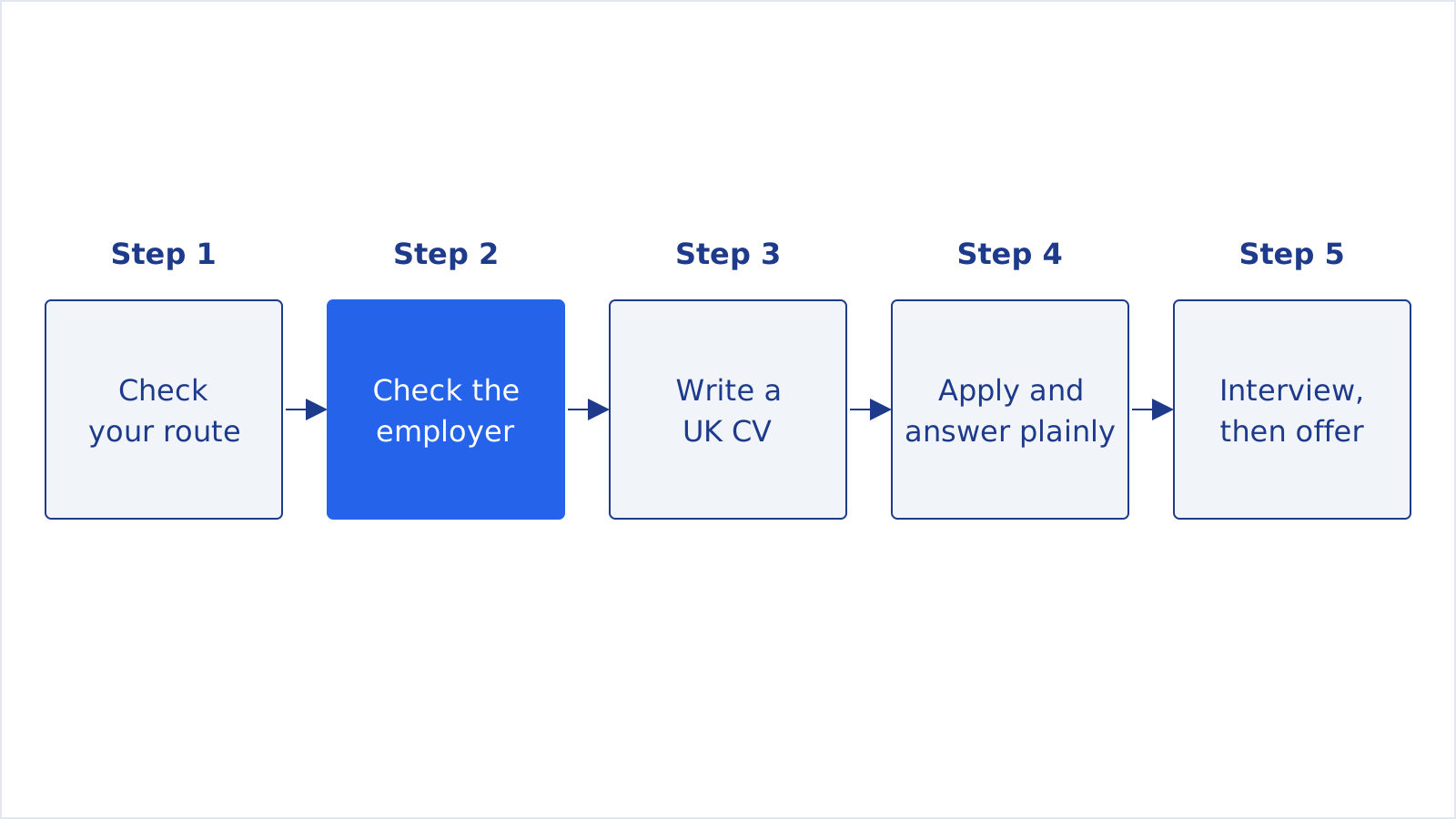
Step 1: check which route could apply to you
Start on GOV.UK, which is the only official source for UK immigration rules. VisitBritain makes the same point on its visa and immigration page: it warns that other websites are not official and that customers have reported problems after relying on them.
Use the Check if you need a UK visa tool to see what applies to your nationality and plans. For many people with a job offer in mind, the route to read about is the Skilled Worker visa. Under GOV.UK's Skilled Worker visa overview, you must:
- work for a UK employer that has been approved by the Home Office;
- have a certificate of sponsorship from that employer with details of the role;
- do a job on the list of eligible occupations;
- be paid a minimum salary, which depends on the type of work and the date you got your certificate.
The page also says you must have a confirmed job offer before you apply for the visa. In practice that means the order is job first, visa second. You apply for the job, get the offer, and your employer issues the certificate you then use for the visa application.
UKCISA, the UK's international student advice charity, describes the same route on its Skilled Worker page and points to the government's Skilled Worker eligibility tool, which asks a short set of questions to help you see whether you could qualify. Other routes exist, so read the GOV.UK page for the one you think fits, rather than a summary from a third party.
Before you plan a trip. Do not assume you can fly in on a visit, interview and then start work. What a visitor may and may not do is set out on GOV.UK, so read it before you book anything.
Step 2: check that the employer can sponsor
If you need sponsorship, an employer's willingness is not enough. It must hold a sponsor licence. GOV.UK publishes the Register of licensed sponsors: workers, a list of organisations licensed to sponsor workers on the Worker and Temporary Worker routes. It also shows the type of worker each organisation is licensed to sponsor and its sponsorship rating.
A short routine before each application:
- Search the register for the exact company name. A company may be listed under a different legal name from its brand, so try variations.
- If the company is not on the register, it is not listed as a sponsor today. You can still apply if you have another way to work in the UK, but you should know that going in.
- Check that the role looks like a sponsorable job: GOV.UK says the job must be on the list of eligible occupations and meet the salary requirement.
- Note the result next to the application in your tracker. Our job search tracker guide shows what to record.
Being on the register does not mean a particular team will sponsor a particular hire. It only tells you the answer is not an automatic no. If the advert is silent, a recruiter can usually tell you in one reply whether the role is open to sponsorship.
Step 3: write a UK CV, not a US resume
In the UK the document is called a CV, and the National Careers Service (NCS) guidance on CV sections gives the baseline. A copy of the NCS CV guide lists the core pieces: your contact details, a short personal profile, your work history, your education, and references if someone has agreed to give one. It also says to leave out details such as your age, date of birth, marital status and nationality, and to tailor your CV to the job.
That last point matters more than it looks if you are applying from abroad. Your nationality is not on the CV, so the CV has to show what you can do for this employer, in the words of this advert.
- Put your location in the contact line. A city and country is enough, for example "Lisbon, Portugal". Add that you are open to relocating if that is true.
- Use UK spelling and date formats (organisation, programme, 03/2024).
- Explain foreign employers and degrees briefly. A recruiter in Leeds may not know a company from São Paulo or a degree title from Ankara. One clause is enough: "regional logistics firm, 400 staff", only if that is accurate.
- Keep it short. UK CV guides, such as this UK CV format guide, usually aim for two pages.

Step 4: tailor each application to the advert
The CV is the first thing a recruiter sees, so tailor it for every role. Read the advert, underline the requirements, and make sure your CV shows the same skills in the same terms, for the experience you actually have. Our guide on tailoring a resume to a job description goes through it line by line.
CareerUpAgent can do part of this. The free resume-to-job match checker compares your resume with a pasted job description and shows a match score, the skills it found, the skills it could not find and suggestions. The free ATS resume checker tests whether a system can read your file, and the cover letter generator drafts a letter you then edit. You decide what goes in; nothing is sent for you.
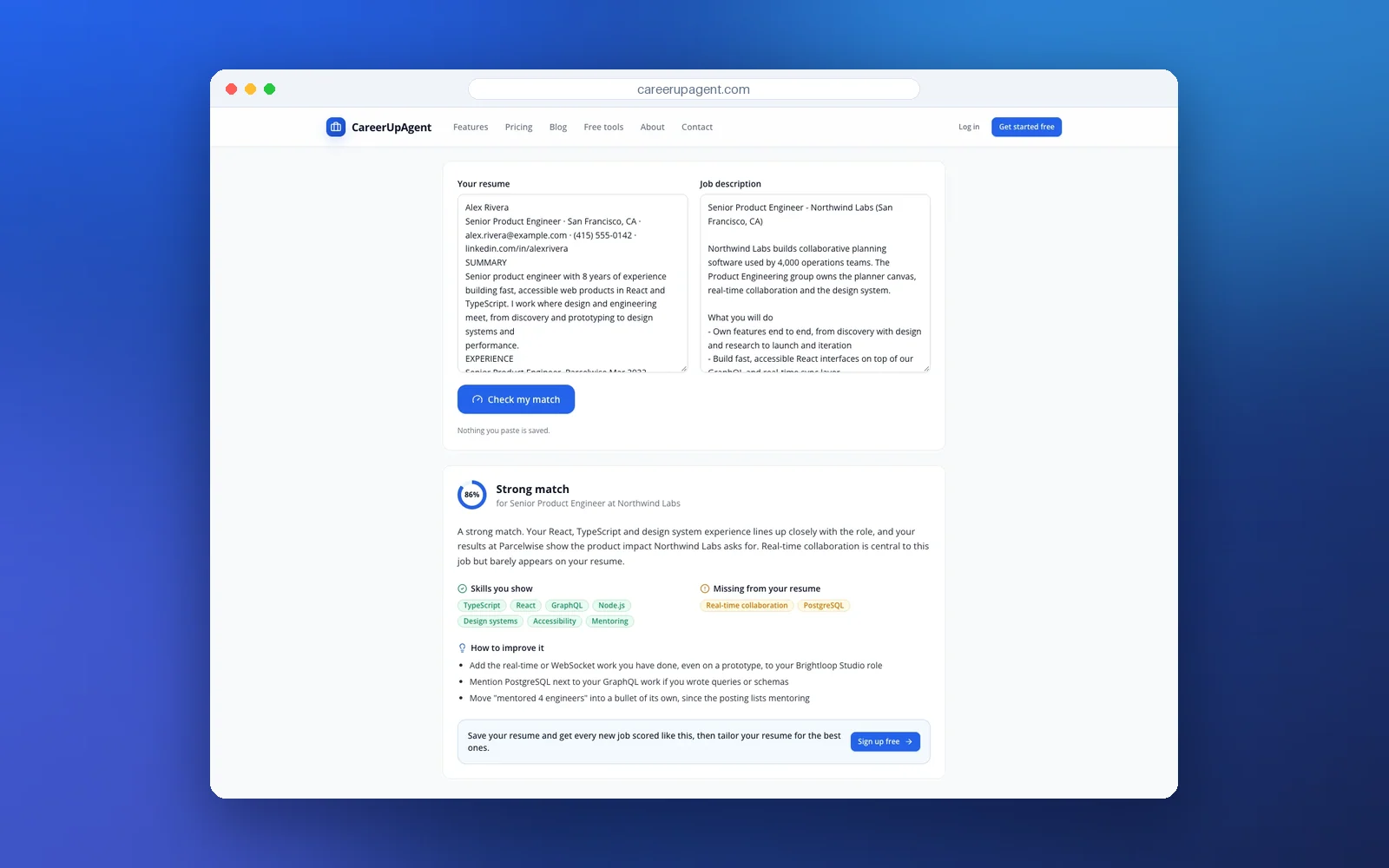
CareerUpAgent does not check sponsor licences or tell you whether an employer will sponsor you. For that, use the GOV.UK register in step 2.
Cover letter, one paragraph for the abroad question. If you are not in the UK, say so in one sentence in the letter: where you are, when you could start, and whether you would need sponsorship. Recruiters then have what they need to answer you, and you do not have to wait for the question. Our cover letter guide covers the rest of the structure.
Step 5: apply, and answer work-authorisation questions plainly
The NCS page on where to find job vacancies lists job boards such as CV-Library, Indeed, Reed and Monster, networking sites such as LinkedIn, recruitment agencies, employers' own websites and job fairs. The government's Find a job service covers England, Scotland and Wales, with a separate service for Northern Ireland. The older Find a job site said it was being replaced by a new version in 2026, so use the link from GOV.UK rather than an old bookmark.
Many application forms ask whether you have the right to work in the UK, or whether you will need sponsorship. Answer exactly what is true today. If you would need sponsorship, say so; an inaccurate answer can cause problems later.
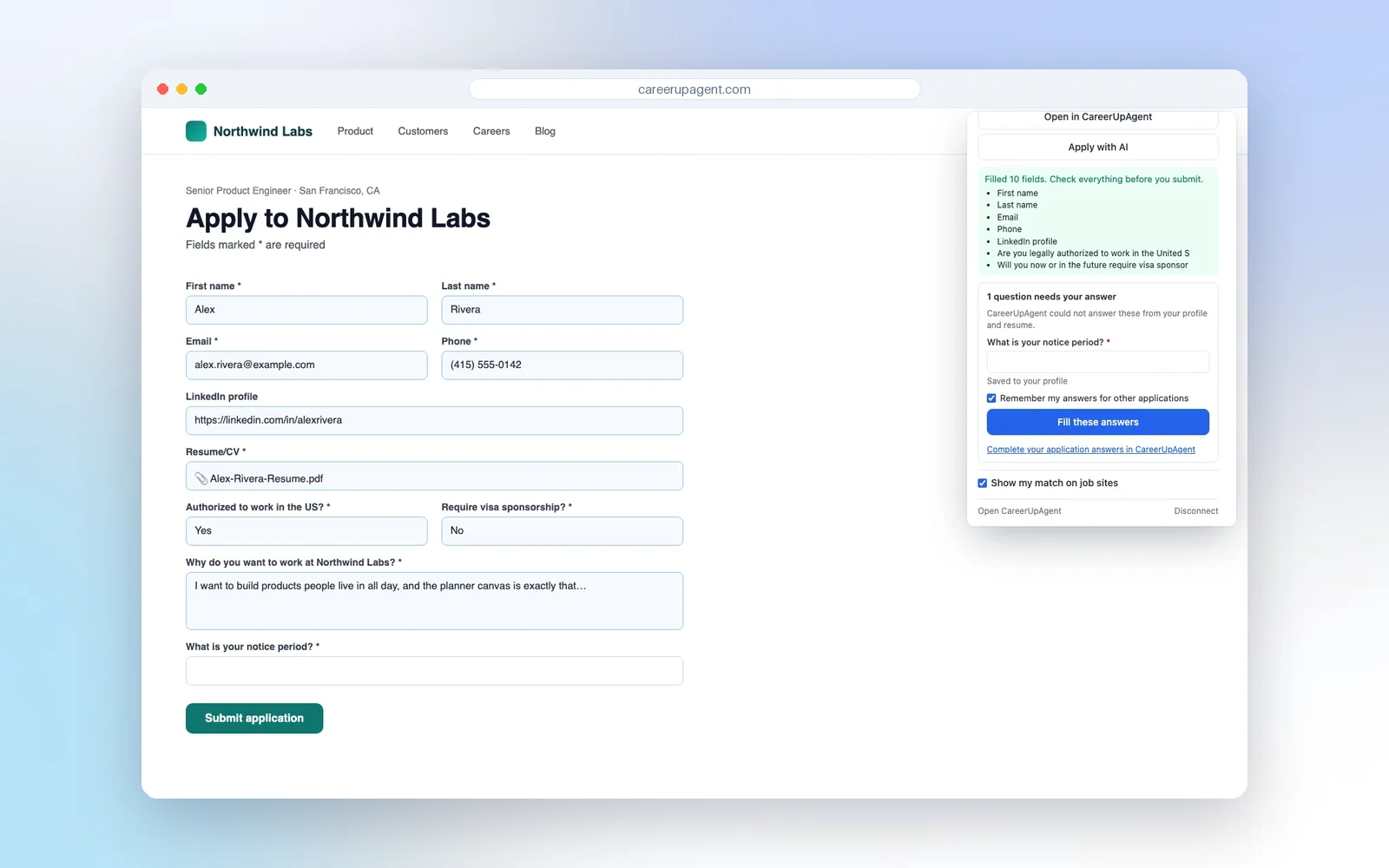
Whatever fills a form, read each answer before you submit, because your status can change.
Step 6: interview from abroad
Most first interviews for someone abroad are by video. Agree the time in both time zones in writing, and test your set-up the day before; our video interview tips cover the checklist. If you are asked about relocation, have a realistic start date and a plain answer on sponsorship ready. Our list of questions to ask at the end of an interview includes ones about location and working pattern.
If you are also looking at other European countries, the same order of work applies with different rules: see our guides to the Netherlands and Germany's Opportunity Card.
Common mistakes to avoid
- Sending fifty applications before checking the register. Check each employer first, so you only tailor for companies that can hire you.
- Relying on a non-official site for visa rules. GOV.UK says the minimum salary depends on the date you got your certificate, so an old forum post can be out of date.
- Using a US resume. Take out date of birth and nationality, and switch to UK spelling.
- Hiding your location. One clear sentence about where you are and when you could start works better.
- Paying anyone who promises a job or a visa. Neither can be guaranteed, and GOV.UK links to Safer Jobs for advice on avoiding job scams from its Find a job page.
If you want a place to keep tailored CVs, match scores and application statuses in one view, you can create a free CareerUpAgent account and use it alongside the checks above.